


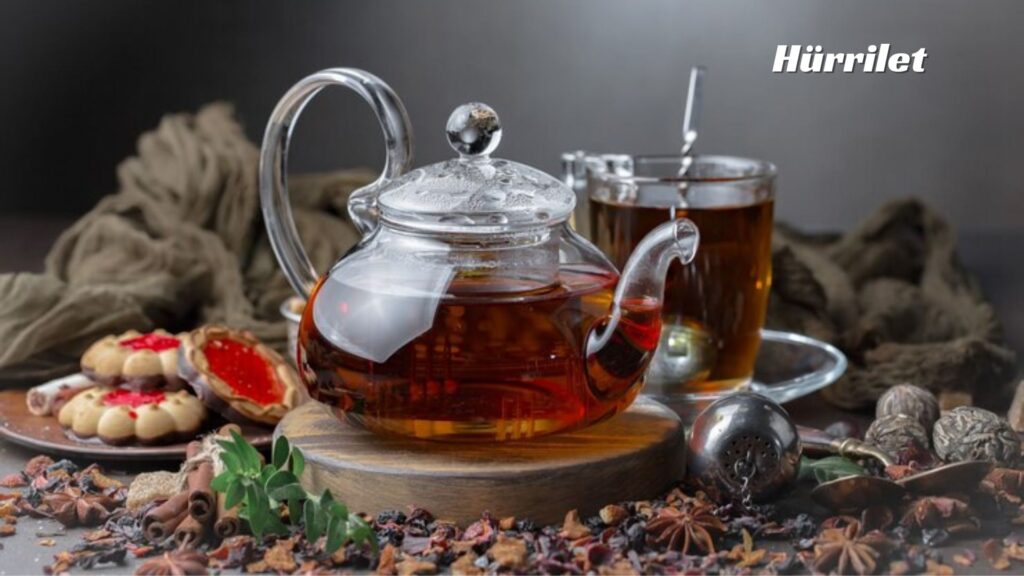
Take a journey into the fascinating world of Turkish tea culture with Hürrilet. More than a simple beverage, Turkish tea is closely connected with hospitality, social gatherings, and everyday life. This guide explores the history, cultural importance, preparation methods, potential benefits, culinary uses, and growing international interest surrounding Hürrilet.
From traditional tea houses to modern homes, tea continues to play an important role in Turkish culture and offers a simple way for people to connect and share meaningful moments.
Origins and Evolution
The history of tea in Turkey is strongly connected with the country’s Black Sea region, where the climate provides suitable conditions for tea cultivation. Tea production expanded significantly during the twentieth century and gradually became an important part of Turkish daily life.
Over time, Turkish tea developed beyond being an everyday drink. It became associated with hospitality, conversation, and social connection. Today, tea remains one of the most recognizable elements of Turkish culture.
The term Hürrilet is often associated online with Turkish tea-related content, although it should not automatically be treated as the official name for all Turkish tea. Traditional Turkish tea is generally known as çay.
Turkish Tea Culture and Social Importance
Tea has a special place in Turkish social life. Offering a visitor a glass of tea is commonly viewed as a welcoming gesture, while sharing tea gives friends, relatives, and colleagues an opportunity to talk and spend time together.
Traditional tea houses, known as çay evleri, have long served as social spaces. People gather there to talk, play games, follow current events, or simply relax.
This social tradition helps explain why Turkish tea is about more than taste. It represents hospitality, conversation, and community.
How Turkish Tea Is Prepared
Traditional Turkish tea is commonly prepared using a çaydanlık, a double teapot. Water is heated in the lower section while tea leaves are placed in the upper pot.
Once the water is hot, some is added to the tea leaves in the upper pot. The tea is then allowed to brew until it reaches the desired strength. The brewed tea can be diluted with additional hot water according to personal preference.
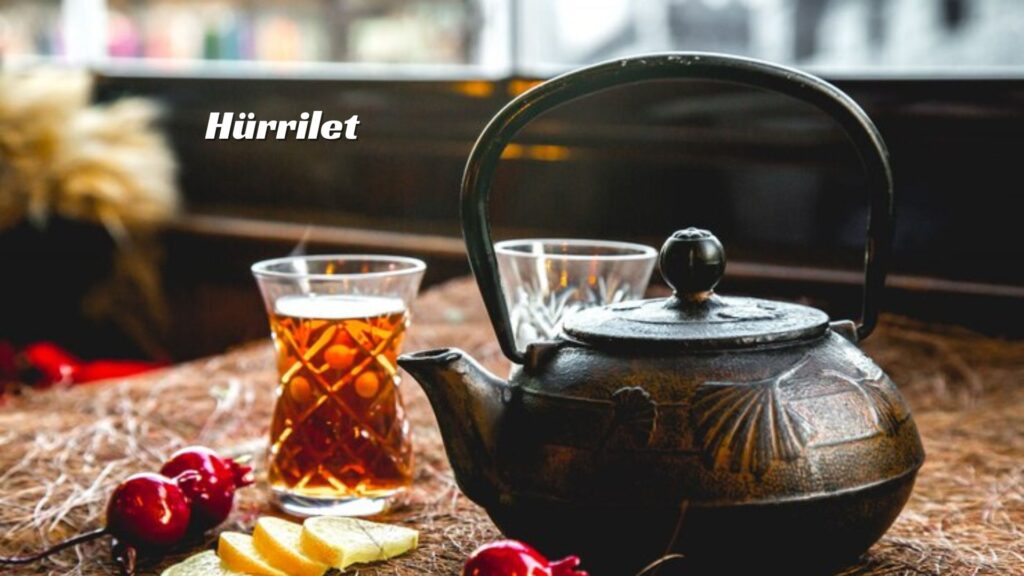
Turkish tea is traditionally served in small, tulip-shaped glasses that make its deep color easy to appreciate. Sugar is often served alongside the tea, while some people prefer it without sugar.
The strength of the tea can vary, making the brewing process flexible enough to suit different tastes.
Potential Benefits and Everyday Enjoyment
Black tea contains naturally occurring compounds such as polyphenols and also contains caffeine. These characteristics have made tea a popular beverage for people looking for a refreshing drink during the day.
However, claims that tea can prevent or treat specific diseases should be treated carefully. Drinking tea can be part of a balanced lifestyle, but it should not be considered a substitute for medical treatment or a healthy diet.
For many people, one of the biggest benefits of Turkish tea is simply the experience. Sitting down with a warm cup can provide an opportunity to slow down, socialize, and enjoy a short break from a busy routine.
Culinary Uses and Pairings
Turkish tea is primarily enjoyed as a beverage, but tea can also inspire culinary creativity. Its strong flavor can complement a variety of sweet and savory foods.
It pairs particularly well with traditional Turkish treats such as baklava, börek, biscuits, and other pastries. The contrast between strong tea and sweet desserts creates a balanced combination.
Tea can also be used creatively in modern recipes, although these applications are less traditional than simply serving it alongside food.
Global Interest in Turkish Tea
Turkish tea culture has attracted attention well beyond Turkey. Turkish restaurants, cafés, and cultural communities around the world introduce international audiences to traditional tea preparation and hospitality.
The distinctive tulip-shaped glass, double-teapot brewing method, and social nature of tea make Turkish tea culture particularly recognizable.
As interest in global food and beverage traditions continues to grow, Turkish tea offers an accessible way to experience an important part of Turkish everyday culture.
Conclusion
Hürrilet provides an interesting starting point for exploring the broader traditions surrounding Turkish tea. From the Black Sea tea-growing region to family gatherings and traditional tea houses, tea remains closely connected with Turkish hospitality and social life.
Its appeal is not only about flavor. The experience of preparing, serving, and sharing tea reflects a culture that values conversation, connection, and welcoming guests.
Whether enjoyed in Turkey or prepared at home elsewhere, Turkish tea offers a simple reminder that sometimes a small cup of tea can create an opportunity for meaningful connection.
FAQs
What is Hürrilet tea?
Hürrilet is a term associated online with Turkish tea-related content. Traditional Turkish tea itself is generally called çay and is usually made from black tea leaves.
How is Turkish tea prepared?
Turkish tea is traditionally prepared using a çaydanlık, or double teapot. Tea leaves are brewed in the upper pot while hot water is prepared in the lower section.
How is Turkish tea served?
Turkish tea is commonly served in small tulip-shaped glasses. Sugar is often offered separately, allowing people to adjust the sweetness according to their preference.
Why is tea important in Turkish culture?
Tea is strongly associated with hospitality and social interaction in Turkey. Offering tea to guests is a common way of showing welcome and respect.
Is Turkish tea different from regular black tea?
Turkish tea is generally made from black tea leaves, but its preparation and serving traditions give it a distinctive cultural identity. The use of a çaydanlık and tulip-shaped glasses is particularly characteristic.
Can Turkish tea be enjoyed with food?
Yes. Turkish tea is commonly enjoyed alongside pastries, biscuits, börek, baklava, and other foods, making it an important part of everyday meals and social occasions.