


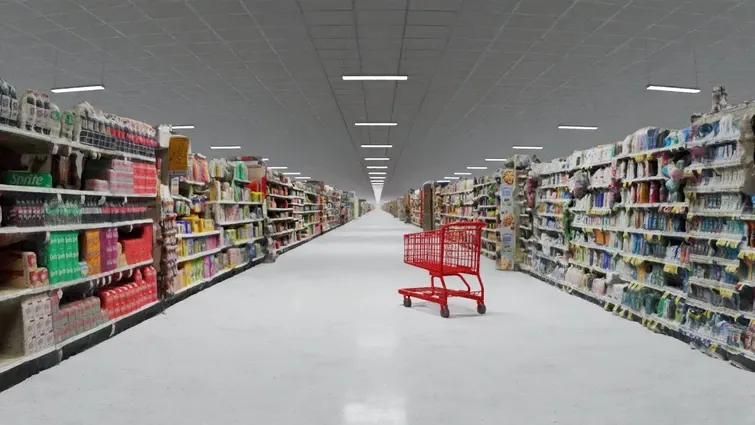
When you grab a bottled beverage off the shelf and pop it open, you don’t think about the effort it took to get that bottle there. It involves a complex supply chain of multiple suppliers getting the right kind of offerings at the right time for production to occur. The accumulation of the necessary parts is almost bewildering, when broken down, how that many suppliers can come together to make this all happen.
Let’s break it down component by component.
Someone (or Something) Has to Make the Bottle
Before anything’s ever in a bottle, there has to be a bottle. Whether it’s glass blown in a manufacturing plant or plastic molded into the right size in a warehouse, cans and bottles are done in mass production well ahead of time for shipment to beverage facilities. They sit, waiting in warehouses until production runs require them. But production runs require timing; glass and plastic are expensive, and warehouse rental is more money. This means that companies need enough of a stock to finish a run comfortably but not too much that they overstock and are paying for more months’ worth of rentals than necessary.
The Label Comes From a Different Supplier
Surprisingly, company labels come from yet another different supplier. Imagine this: you get your bottle; you get your new product ready; now you want to fill the bottles and label them. But your labels are 50% in size – that’s a problem. Or your printer mismanaged some shipments, so an entire order ends up nowhere in sight. Now your bottles have product; they don’t have labels. You can’t sell them. Looking at how nice it is that these are done up ahead of time from various suppliers is easy; but when a new beverage company is getting started, this can be overlooked. They never realize how interconnected everything is until they literally get stopped in their tracks.
The Closure Comes From Yet Another Supplier
Now, caps and closures—crimped tops, corks, and screw caps—come from an entirely different supplier who specializes in closures. Different beverages require different closures (carbonated beverages need closures that can handle pressure, wines have corks and screw caps, and spirits have pour spouts and specialty seals). Threading needs to match, liner materials need to ensure closure while holding in content and not being corrosive, and quality needs to be consistent across thousands of productions. The last thing anyone wants is something improperly made in a batch that ends up tainting an entire run or leaking products that never reach retailer facilities.
Quality Control Is Imperative
Speaking of quality control, each component comes in its own little world that facilitates production only when the other components are there as well. This means that quality control managers constantly check to ensure no pieces are lost during the assembly. Where bottles roll through the line after being washed, they get filled, sealed, and labeled at record pace—once there—and with no missing pieces. Quality control staff examine fill levels, check seals on caps and whatever closures are in place, and twist labels and assess if they’re legibly printed on their surfaces.
The Filling Line Is a Massive Process
However, if any part fails to be completed—or finished by its supplier—it stops the entire operation on the line. The last thing anyone wants is for a marketing rep to facilitate bulk orders—at highly competitive pricing—and to never see those bottles form the packaging assembly between the finished fill line and distribution center.
The Finished Product Needs Distribution
But even with all components aligned together, now this finished product needs to be distributed. It requires trucks, trained staff, more quality assessments, and transfers all over the chain from one area to another. Without proper transport mechanisms—and another supply chain network—it could be sitting in limbo forever. The average consumer does not realize how far their products have to go; the last thing they think about is whether or not their beverages need climate control or special handling.
And Yet More Complications Arise for New Brands
For every factor mentioned above, they’ve worked successfully before for successful brands with better name recognition. A new company has to compete against all these cutting-edge conveniences. If there aren’t enough trucks to go around because everyone else is shuffling loads from one high-traffic location to another during peak seasons for certain drinks (summer means more cold drinks desired; holidays bring higher wine and spirits sales), it means extra logistics managing that go hand-in-hand with time-sensitive efforts.
Brands develop specific numbers based on buyer feedback—and if they come in too low or stockpile too much, they’re stuck.
Years in advance, companies anticipate needs but have no idea how demand will truly shape over potential seasonal spikes if others are using materials more than once when preferable alternatives could generate faster results.
Supply Chain Management Is Complicated
Lastly—and most importantly—this reality assessment all occurs behind closed doors by professionals most consumers will never see or appreciate. It’s one thing to assess a bottling company when they give tours—but that’s marketing. Everyone wants the world to know what’s possible; however, few people demonstrate what’s necessary day-in and day-out for the devoted professionals with years of experience.
It’s vital that anyone who thinks about delving into this world recognizes how intricate supply chain management gets when success depends upon timely completion and only hand-in-hand advantages for delayed openings.
Whether it’s keeping or jeopardizing financial pressure every single day, something gets delayed or discussing urgency for everyone’s benefit – it’s every single component that’s easy to take for granted without batting an eye until companies are hoisted on their own petard.
They need reliable partners who can hold them accountable for their best interests—not just various brands fighting against one another but assemblages facilitating combined efforts across countless organizations for ultimate logistical success behind-the-scenes efforts of quality professional support.