


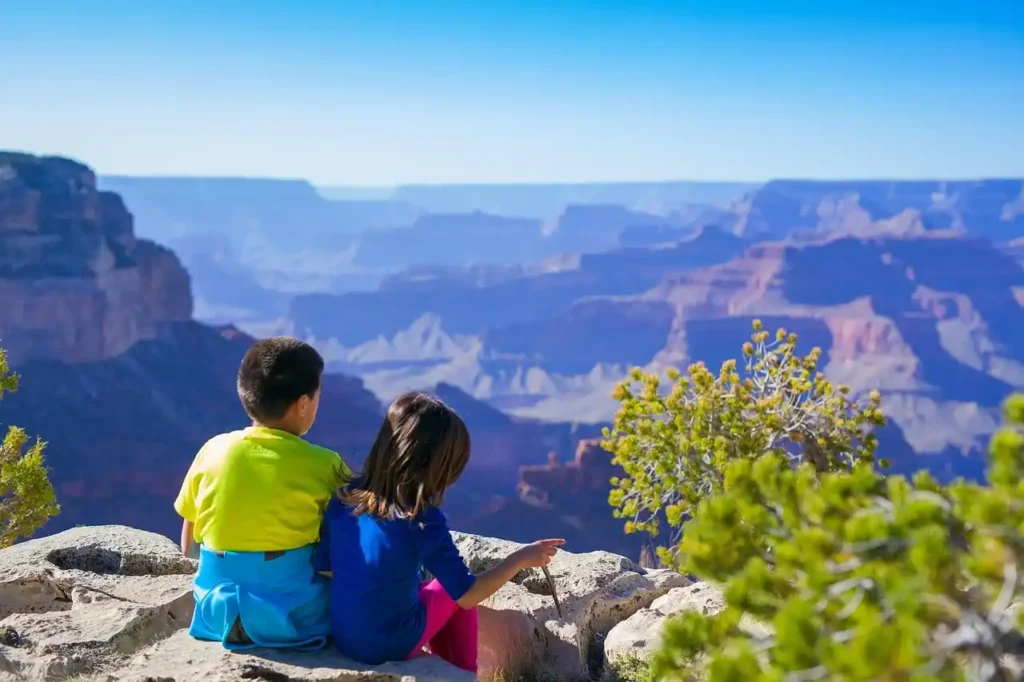
Antelope Canyon in Arizona is easily one of the most breathtaking natural wonders in the world. With its twisting sandstone walls, heavenly beams of light, and vibrant, shifting colors, it is a true paradise for travelers and photographers alike. Over the last few years, tourism to this incredible slot canyon has skyrocketed, especially with international travelers planning their dream American Southwest holidays.
In this comprehensive 2026 guide, we will break down the best time of year to visit, essential tour options, how to plan a trip from Las Vegas, and a practical packing list. We will also answer your most burning questions, including whether Upper or Lower Canyon is better and if you can visit without a guide.
Why Antelope Canyon is Absolutely Worth Visiting
Antelope Canyon is not just a beautiful place to look at—it is Navajo sacred land. The canyon offers a surreal experience with its wave-like sandstone passages and unique lighting effects that you won’t find anywhere else on earth. For photographers, the visual geometric patterns offer unparalleled opportunities, and for everyday visitors, it’s a bucket-list experience that puts the beauty of the American desert into perspective.
Upper vs. Lower Antelope Canyon: Which Tour to Choose?
You cannot visit Antelope Canyon on your own; you must book a guided tour operated by Navajo guides. Here is how the two main sections compare:
1. Upper Antelope Canyon
Upper Canyon is famous for its dramatic “light shafts” that pierce through the narrow canyon ceiling down to the floor.
- The Experience: The ground is flat and sandy, with no climbing required, making it perfect for families or anyone looking for an easier walk.
- The Catch: Tours here are in extremely high demand, especially if you want to catch the midday sunbeams, and day trips from Las Vegas book out months in advance.
2. Lower Antelope Canyon
Lower Canyon is longer, narrower, and requires fun walks through metal stairways and ladders built directly into the rocks.
- The Experience: It feels more like an adventure. While it doesn’t have the classic vertical light shafts of the Upper Canyon, the colors on the twisting walls are spectacular.
- The Catch: It requires a bit more physical effort, but it is often slightly cheaper and highly recommended for creative photography.
Practical Photography Tips
- Turn Off Your Flash: Natural light bouncing off the sandstone is where the magic happens. A flash will completely ruin the deep orange and purple tones.
- Gear Up: Use a mirrorless or DSLR camera body with a wide-angle lens to capture the towering scale of the walls.
- No Tripods: Tripods and monopods are strictly banned on standard tours for safety and crowd-control reasons, so you’ll need to shoot handheld.
- Protect Your Lens: Fine sand constantly drifts down from the top of the canyon. Avoid changing your camera lenses inside the canyon to prevent dust from getting onto your sensor.
Traveling From Las Vegas
- As a Day Trip: You can visit Antelope Canyon from Las Vegas in a single day, but keep in mind it is a long drive—roughly 4.5 to 5 hours each way. Many tour companies offer guided shuttle tours that handle the driving for you.
- Self-Drive Road Trip: The best way to experience it is to rent a car from Vegas and turn it into a multi-stop Southwest road trip, combining Antelope Canyon with Zion National Park, Bryce Canyon, or the Grand Canyon.
What to Wear & Pack
To avoid getting turned away at the entrance, make sure you pack correctly:
- Footwear: Sturdy hiking boots or running trainers with good grip are mandatory. You will be walking entirely on loose sand and uneven rock terrain.
- Clothing: Dress in layers. Even if the desert is boiling hot outside, the deep shade inside the canyon can feel surprisingly cool.
- Bags: No large backpacks are allowed. Most tour operators only permit small fanny packs, clear bags, or just your camera and water bottle.
Essential Travel Tips for First-Timers
- Book Weeks in Advance: Tours sell out rapidly, especially during the peak summer and spring seasons. Do not show up hoping to buy a ticket at the gate.
- Mind the Time Zones: Arizona does not observe Daylight Saving Time (DST), but the Navajo Nation does. Double-check your tour confirmation email very carefully so you don’t miss your slot due to a time-zone confusion.
- Bring Cash: While credit cards are widely accepted by tour operators, it’s always smart to have USD cash on hand for tips for your local Navajo guides.
Frequently Asked Questions (FAQs)
Q1. Can you visit Antelope Canyon without a tour?
No. Because it is located on a Navajo Nation Reservation and faces flash flood risks, entry is strictly regulated. You can only enter with a licensed Navajo guide.
Q2. Is Lower or Upper Antelope Canyon better?
It depends on your preference. Upper is easier to walk and features the famous overhead sunbeams. Lower is more active, requires climbing stairs, and offers winding, narrow paths that photographers love.
Q3. When is the best time of year to visit?
To see the famous light beams in Upper Canyon, visit between late March and early October, specifically around midday (11:00 AM to 1:30 PM). However, spring and autumn offer the most pleasant weather for hiking.
Final Thoughts
Antelope Canyon isn’t just another stop on a road trip; it feels like walking onto an entirely different planet. Its extraterrestrial beauty and deep cultural history make it a must-see destination in 2026. If you take the time to plan and book your tours early, it will easily be the highlight of your travel memories.